


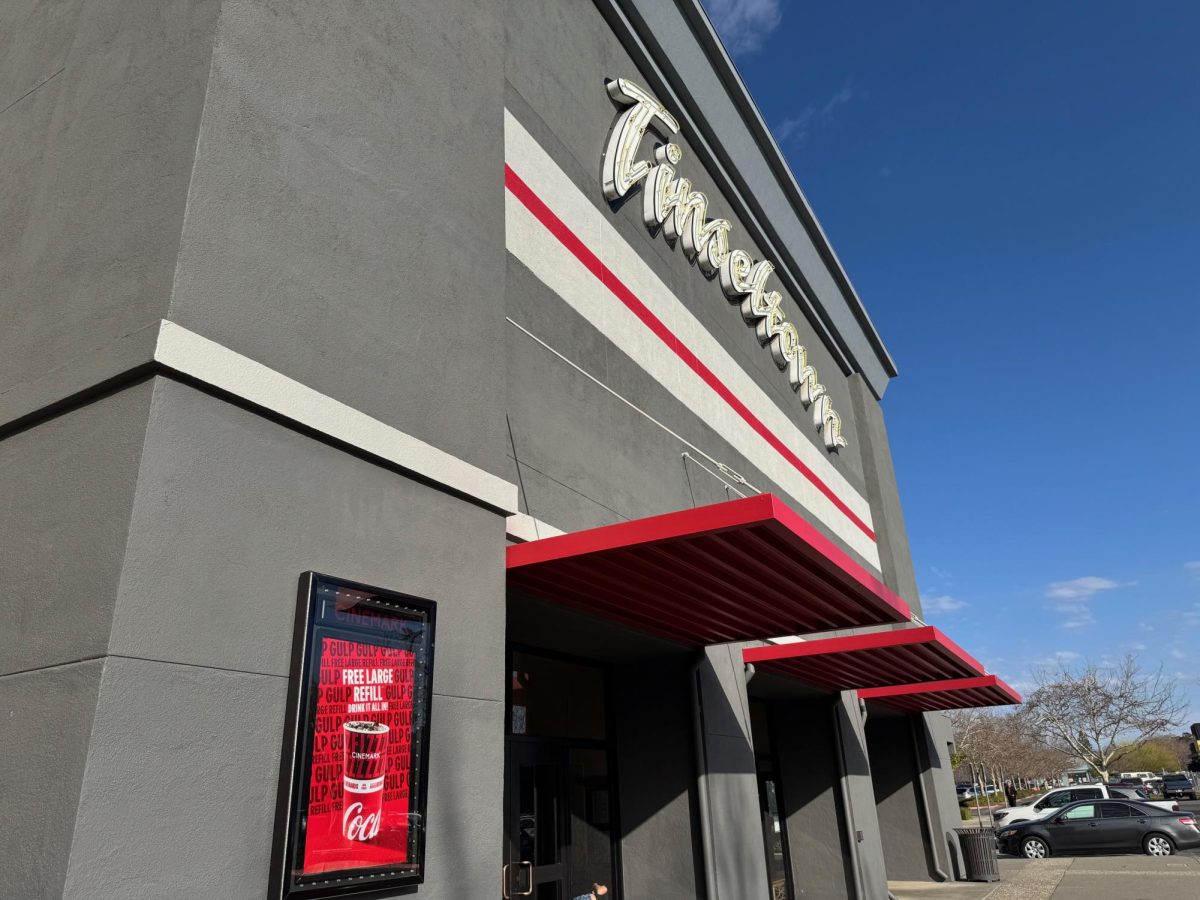
This summer, KPop Demon Hunters has stubbornly rooted itself into the collective consciousness of movie audiences all over the world. It is “the most popular Netflix film of all time, with more than 236 million views to date,” according to Netflix Tudum. After garnering so much viewing success on the streaming service, the film premiered in theaters for one weekend on Aug. 23.
For two months my social media feed has been flooded with the film’s fanart, cosplays, dance videos and memes. The film’s ecstatic internet fanbase spoiled half of the movie before I could even watch it.
Despite not being super familiar with KPop culture, I decided to give the film a chance to see if it was worth all the hype. I will be unpacking my top observations and takeaways from the film that managed to worm its way into millions of hearts this summer.
As of Sept. 2, the film’s song “Golden” is the number one song on the Billboard Hot 100 chart, with “Your Idol” and “Soda Pop” earning fourth and fifth place, respectively. There have been several instances where individual songs from movies made first place, such as “We Don’t Talk about Bruno” from “Encanto” in January 2022, and “Shallow” from “A Star Is Born” in 2018, according to Official Charts. However, having not one but three songs from one film in the top five at the same time is an unbelievable feat.
The original songs in the movie have wide-ranging themes, melodies and messages ranging from confidence to hatred to the releasing of heavy burdens. My favorite song is “What It Sounds Like” because I could connect with the underlying meaning of self acceptance. The songs also enhanced the story in a coherent and relevant way. They were not cringey, unnecessary or designed to fill up screen time like other recent musical, animated movies that come to mind, such as “Moana 2.”
KPop Demon Hunters is a beautiful, vibrant film with bold colors and aesthetics. I took note of the film’s subtle, yet powerful, use of color theory and symbolism. Purples and fuchsia pinks resembled the demons, the antagonizing side. Gold and yellows represented the goal of the hunters – protecting the world from demonic forces with their voices. In one scene, Rumi – the protagonist – had purple patterns and yellow eye makeup. A color contrast depicting the character wrestling with her double identity as part demon and part demon hunter.
The animation style was smooth, expressive and playful. I enjoyed watching the characters’ expressions range from emotional and serious to hilarious cartoon bug eyes, chipmunk cheeks and the scene where Rumi shoved a whole sushi roll down her throat.
When it comes to female character archetypes in action and adventure movies, they are often depicted as hot femme fatales with enough wit to spew dry, sarcastic one-liners in the middle of a fight — with a generous amount of hair flipping for good measure. Many of these hero women are tough, cold and show little vulnerability.
The film’s main characters, Rumi, Mira and Zoe, are three beautiful, strong, powerful young women. All three have their own unique personalities and secret insecurities. They can destroy a whole army of demons one second then break down in hysterical tears the next.
I admired how despite being warriors, they are still real women with complex emotions. Rumi struggled with the need to fix everything by herself and the fear of being abandoned for who she was. Mira grew up as the odd one out in the family, with anger issues and aggressive tendencies. Zoe’s bubbly personality was oftentimes a cover up for her yearning for validation.
It does not make them weak. Accepting these insecurities only strengthened and unified their friendship and their power as a team.
Rumi learned to accept herself with the help of Jinu, a demon, who underneath the charming facade was suffering from the unbearable guilt he carried after abandoning his family in poverty. Through their shared vulnerability they both became better individuals. Rumi was no longer ashamed of her heritage and Jinu sacrificed himself to save her life.
Many fans are heartbroken by Jinu’s death because it was evident that a chemical connection was sparking between him and Rumi despite being on opposing sides. However, I believe that although romantic feelings were never made clear, it is obvious that Rumi and Jinu cared deeply for each other through their shared awkwardness and desire to be relieved of their trauma. Plus, not every cinematic loving dynamic needs to be stamped with kissing and visible acts of affection to be understood.
I have few complaints about the film except that the story could have dived deeper into Mira and Zoe. The primary focus was on Rumi while the other two were lucky enough to each get a 20 second spiel at the beginning and 20 seconds of personalized lyrics. Exploring their pasts and unspoken struggles would have enriched the film’s message of overcoming your insecurities.
However, “Sony Pictures is in talks with Netflix to make an animated sequel,” according to The Hollywood Reporter. This would give the opportunity to further expand on Mira and Zoe’s character development.
Overall, KPop Demon Hunters deserves all the attention it has received this summer because of its refreshing original score, striking animation style and an inspiring approach to how women battling their struggles are represented in cinema.
Elena Mendonsa can be reached at [email protected] or [email protected].

