Seven years ago to this day, Chico State stepped up to support the community as the deadliest wildfire in California’s history burned next door.
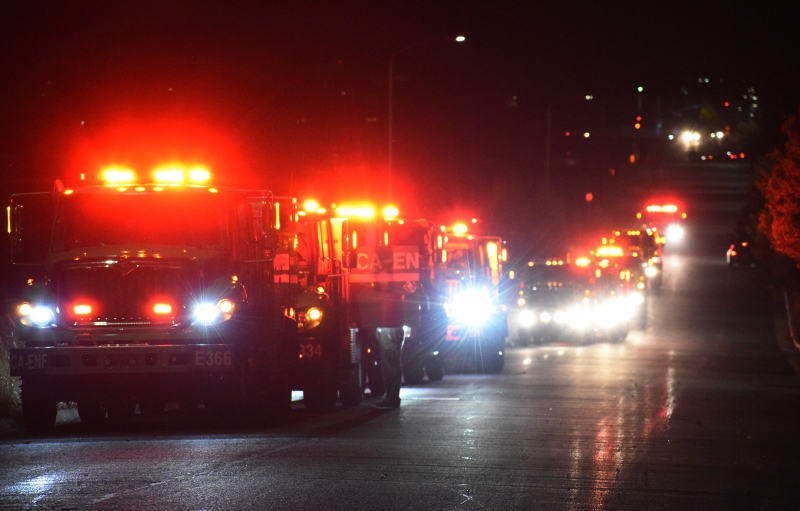
The Camp Fire began tearing through Concow on Nov. 8, 2018, at about 6 a.m. The area is a rural, vegetation-filled landscape with most people living spread out from one another.
Chico State was only a 30-minute drive away.

By 9 a.m., the fire had reached thousands of acres and was beginning to close in on Paradise, which was a 26,000-person town very close to Chico.
Interim Chief of Staff Ashley Gebb said the university sent out a warning to the campus community in the form of a Chico State Alert.
“Because of the failing infrastructure and disjointed notification systems, many evacuation notices weren’t getting through,” Gebb said. “We know this alert saved lives — for some, it was the only warning they got.”
An hour later, the university’s Emergency Operations Center was in full swing. The EOC, which Gebb was a part of, is a group of selected university administrators who come together during disasters to decide how to respond.
By 3 p.m., classes were canceled for the rest of the day. A few hours after that, it was decided that the campus would need to stay closed through the weekend. Ultimately, classes didn’t start again until 15 days later.
The Red Cross did not activate Chico State as an evacuation center. If it had been, displaced people would have been sheltered there.
But the university did open its facilities to those assisting with the disaster. Red Cross volunteers were given shelter in Chico State’s gymnasiums, Gebb said, and first responders were able to shower there during shift changes.
About 1,000 people from Chico State’s community were left displaced or evacuated after the Camp Fire. Gebb said students who lost their homes were able to stay in university housing.
“Air quality concerns were not immediate, but as the smoke began to settle over Chico, air quality monitoring and distribution of N95 masks became one of our many responses,” she said.

Chico State’s Human Identification Laboratory provided essential help with locating and identifying human remains as the smoke settled. Gebb called it the “nation’s largest recovery effort since 9/11.”
Almost 40 faculty, staff, students and alumni joined the HIL to recover and identify more than 80 people who died in the disaster.
This has made the university’s HIL a leading expert in global wildland fire victim recovery, Gebb said. The HIL also assisted in Maui during the 2023 Hawaii wildfires. And in January, it responded to the Palisades and Eaton fires in Los Angeles.
The Wildcat Rise Fire Recovery Fund was also set up within two days of the disaster, long before the last flame had been extinguished.
It raised nearly $700,000 and ran until the end of the year with donations from across the world. It took less than two weeks for that money to start being disbursed to over 500 students, faculty and staff who were affected by the fire.
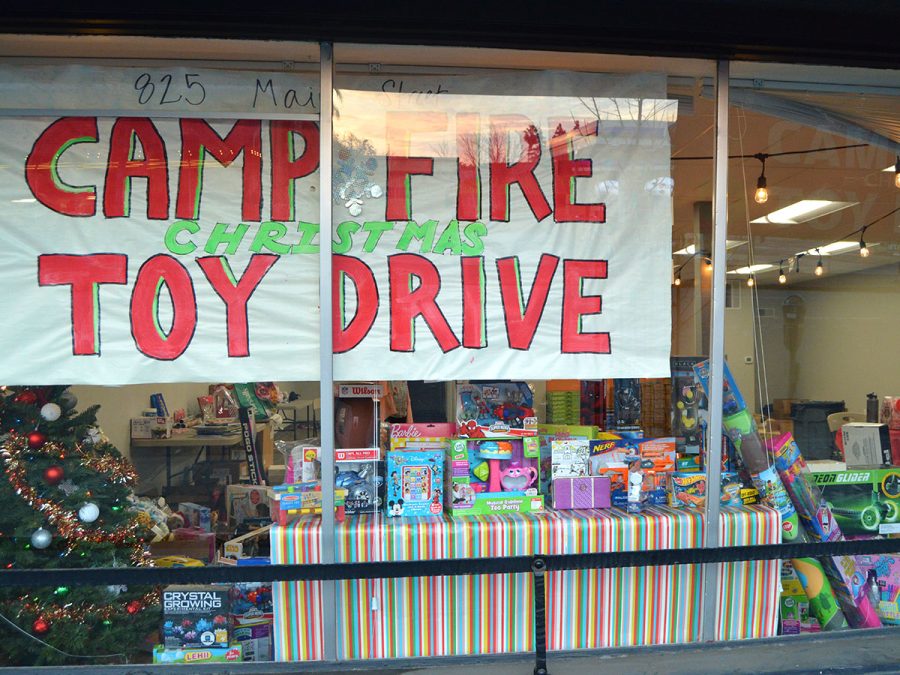
There were also several fundraisers, drives and community-wide efforts in the following months. Some nursing students volunteered in local shelters and helped care for displaced animals staying at the University Farm. Chico State held a community-wide Thanksgiving in the Bell Memorial Union.
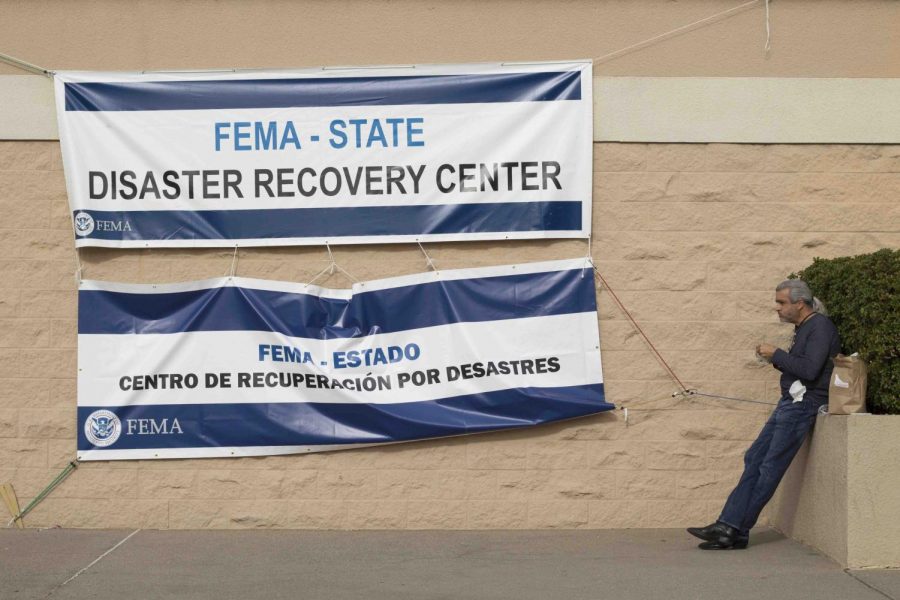
“Never could we have imagined that our own community would become home to what was then the deadliest and most destructive wildfire in California history,” Gebb said. “And yet, when it happened, Chico State responded in the truest spirit of our mission — standing by our students, colleagues and neighbors in their greatest moment of need.”
Gebb said that commitment is still going strong today, with Chico State’s dedication to wildfire-related research, eco-therapy and mental health programs and contributions to projects like the restoration of the Honey Run Covered Bridge.