Wednesday’s Associated Student’s Board of Directors meeting presented a strong quarterly budget, calls for more student voices on committee initiatives on campus and highlighted the effects of the CalFresh delay from last semester.
In early November, the government was shut down, threatening Cal Fresh benefits for about 2,000 students. During this time, the campus and partners worked to ease the transition during the pause. Vice President for Business and Finance Miguel Sueki shared a report by Basic Needs to highlight the effects of this pause.
During this time, 469 students were approved for CalFresh, while 619 applied for the emergency application. Dining Services provided 2,238 meals at the Dining Hall for CalFresh recipients, costing almost $16,000. The Hungry Wildcat Pantry saw about 130 more visits per day during the pause.
This study also presented a survey of students’ responses to the lapse in funding. Some of those findings were:
- 89% of students have a moderate to severe academic impact
- 75% of students reported moderate to high stress due to food insecurity
- 15% of students anticipated to go hungry on some days
- 23% of students expected to skip meals
- 24% of students expected to purchase less nutritious food
While reporting the responses from the surveyed students to the board, Sueki said it was “very disheartening and sad to hear.”
While the university and its partners worked to reduce costs for students experiencing food insecurity, a committee was in the pilot stage of the campus’s Immediate Access tool.
If an instructor enrolls in this program, the Immediate Access tool will allow students to get quick and discounted access to course materials. However, no training initiatives for these new systems have been implemented — something Sueki pointed out.
Sueki said during the meeting that students have approached him and said a faculty member told students to buy books, despite having them through immediate access.
The University’s Vice President for Business and Finance, Jamie Clyde, quickly asked for more information to remedy the concern. Sueki pushed for more training.
Auxiliary Business Director Thomas Rider and Director of Special Projects for Business and Finance Curtis Sicheneder presented the update on the new tool and asked for the board’s help to get the word out.
“You have the ears of the professors; it might grow faster with your assistance,” Sicheneder said.
Currently, it’s used in 82 courses this semester. The tool has been active for four semesters and has been used by 6,462 students. Sicheneder noted that they are working slowly to spread it to more faculty.
Tracy Butts, dean of the College of Humanities and Fine Arts, was in the meeting as a faculty representative. She said she was unaware of this initiative until the meeting and recommended Rider and Sicheneder bring it to the Chair’s Committee.
Sicheneder claimed that the tool has led to $96.42 in savings per student, with $623,400 in savings overall. Rider said they take a cut from the revenue earned in the contract, calling it a “win” for everyone.
Quarterly budget looks mostly positive
Overall Associated Students’ quarterly budget from October to December 2025 reflected strong numbers throughout its numerous operations. However, the Wildcat Store has seen overall decreases in sales, with December reporting 49.3% decrease. This was attributed to less foot traffic throughout the bookstore.
The bookstore did see an increase in digital book sales of 108% from last year; this was attributed to the implementation of the Immediate Access tool.
Committee Reports
Associated Students President Tia Saunders mentioned a resolution from the California State University, San Francisco. The resolution argued against the executive salary increase approved by the Board of Trustees. The board seemed interested in seeing the resolution, with Vice President Beatrix Teaney raising her hand when Saunders asked if she should present it at a later time.
Clyde spoke to the Teamsters Local 2010 union strike over contractual step raises that occurred on campus from Feb. 17 to Feb. 20. She said there were minimal disruptions in AS operations. The Teamsters were able to stop Sysco delivery drivers — who are also members of the Teamsters — from delivering ingredients to campus.
She noted that the negotiations that are occurring between the union and the Chancellor’s Office don’t involve campus administration.
“I went out to show my support, and the president did as well,” Clyde said during the meeting.
She also said that progress was being made on the hiring of a new Executive Director, as they have begun gathering input from other campuses to help create a profile of who they would want on campus. Simmons became the interim Executive Director following Clyde’s stepping down from the role at the end of last year.
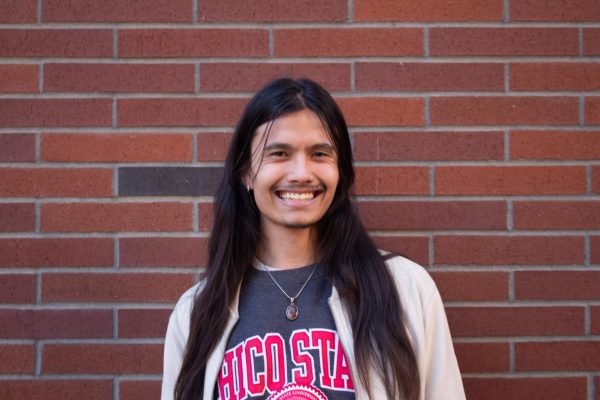
Chris Hutton can be reached at [email protected].